
Investigating the Isotope Ratio NMR landscape in a forensic framework
Forensic expertise area: Chemistry
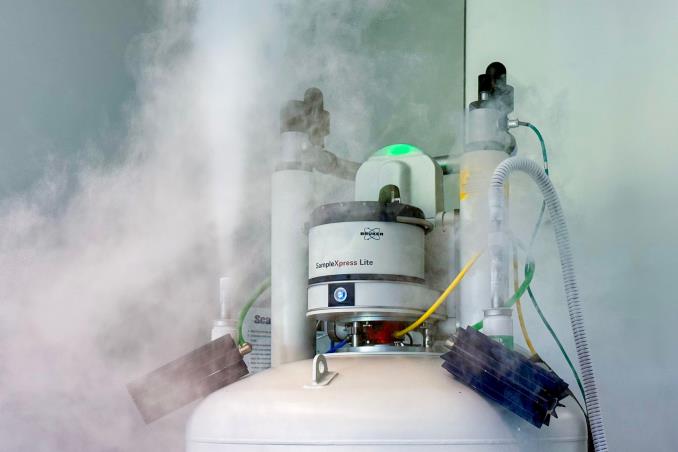
Short description
Traditional techniques for forensic source comparison, such as isotope-ratio mass spectrometry (IR-MS), are often effective but require specialized equipment, are labour-intensive, and can lead to false positives due to the use of bulk isotope ratios. NMR has shown that more information can be obtained by analyzing isotopic profiles at the atomic level instead of just bulk values.
Although several methods for isotopic profiling have been reported in the literature (see references below), a comprehensive evaluation of their relative strengths, limitations, and forensic applications is still lacking. This thesis seeks to address that gap by systematically comparing these methods, assessing their advantages and drawbacks, and exploring their relevance and applicability within forensic science. In addition, it will examine how different synthetic pathways, precursor materials, and final products influence isotopic profiles, as well as the discriminative power of each method. Both NMR-based approaches and traditional techniques such as IR-MS will be evaluated to provide a critical comparison review within a forensic framework.
References
1) Position-Specific Carbon Stable Isotope Ratios by Proton NMR Spectroscopy ; David W. Hoffman
2) Full Spectrum Isotopic 13C NMR Using Polarization Transfer for
Position-Specific Isotope Analysis ; Valentin Joubert
3) NMR-based isotopic and isotopomic analysis; Serge Akoka
Required/recommended skills and expertise
- general knowledge of NMR principles
Information
Institute/ Company: Nederlands Forensisch Instituut (NFI)
Department: Chemical and Physical Traces/narcotics department
Country: The Netherlands
Supervisor: Lex Jelier
Uva Examiner: Arian van Asten
Uva Coordinator: Arian van Asten/ Yorike Hartman
Date of publication: September 11, 2025